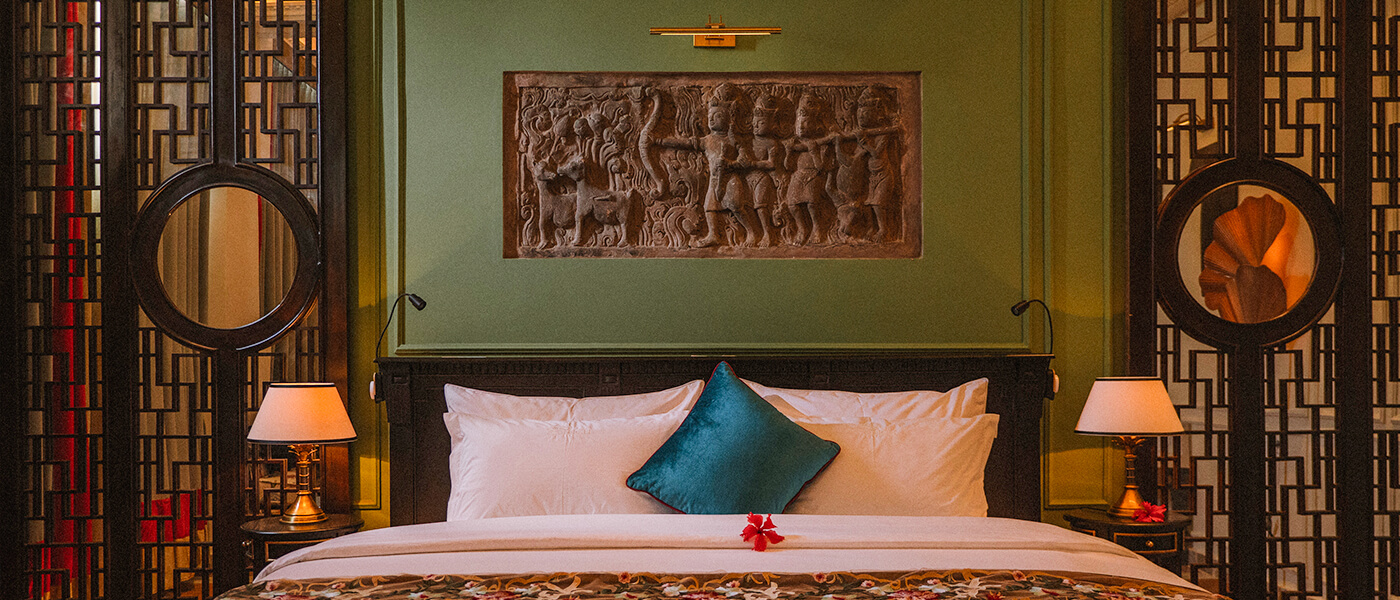
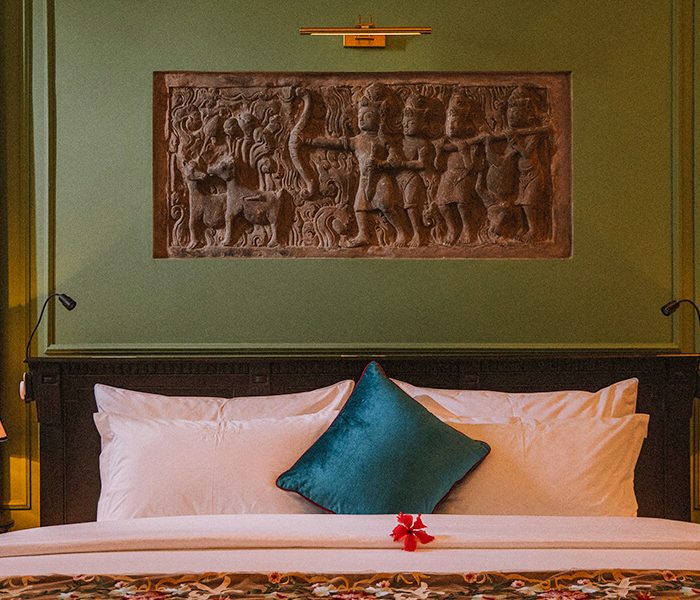
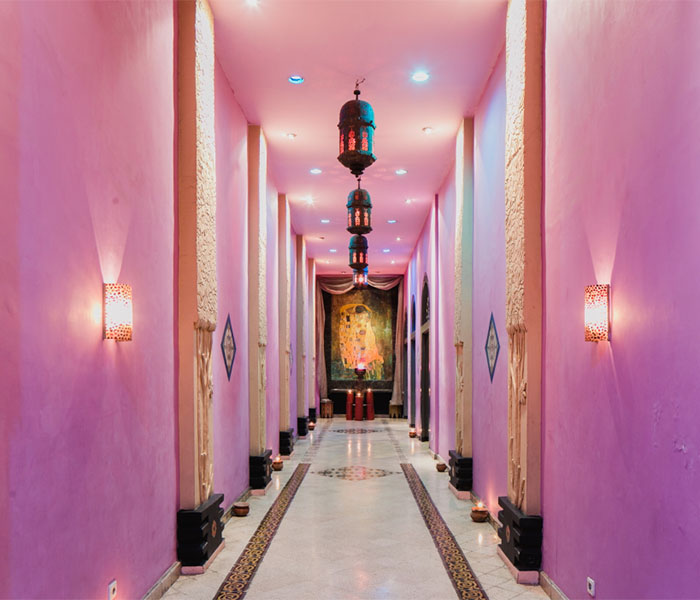
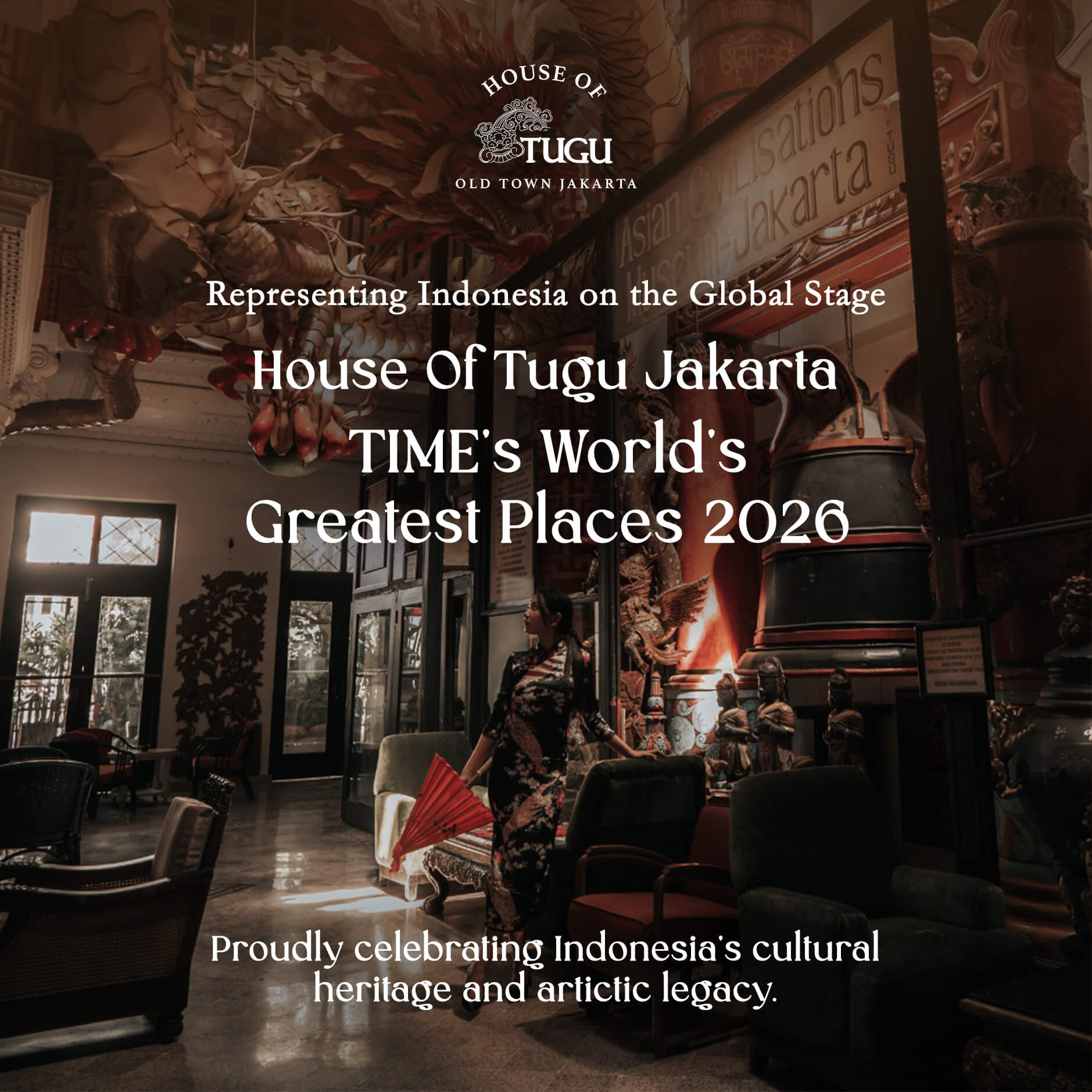
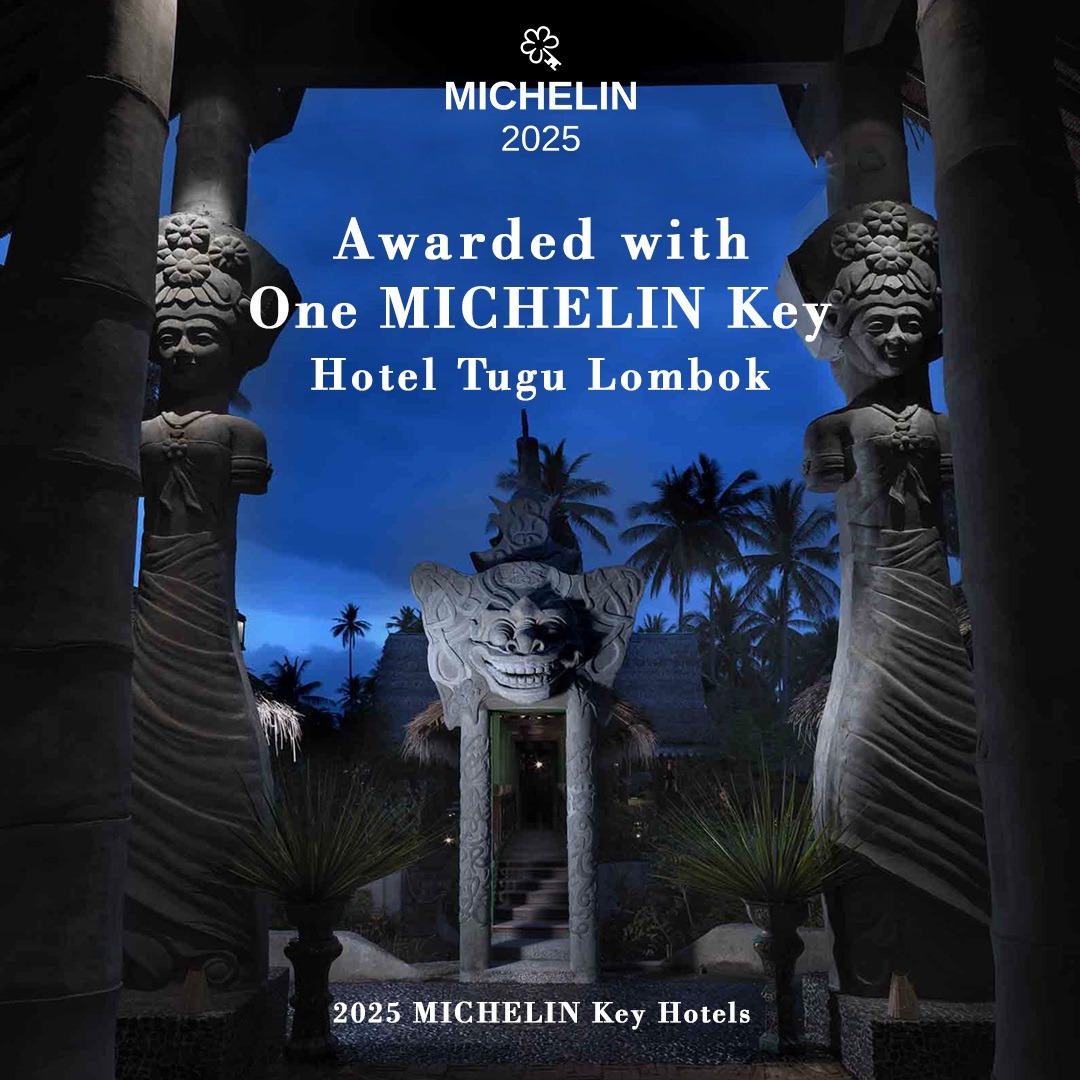
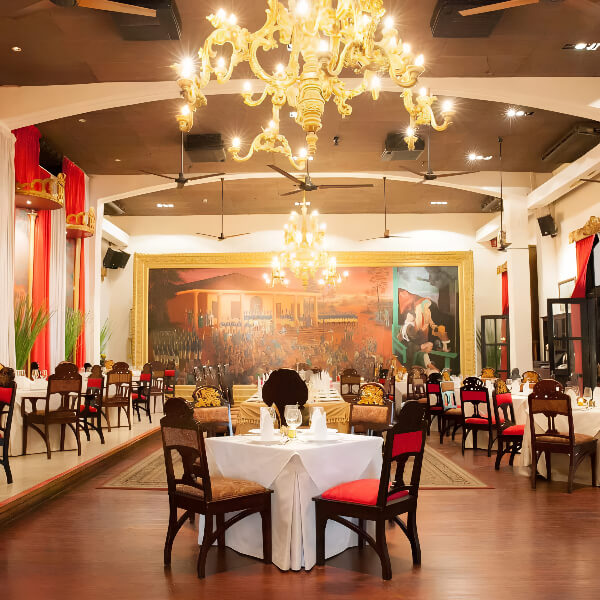
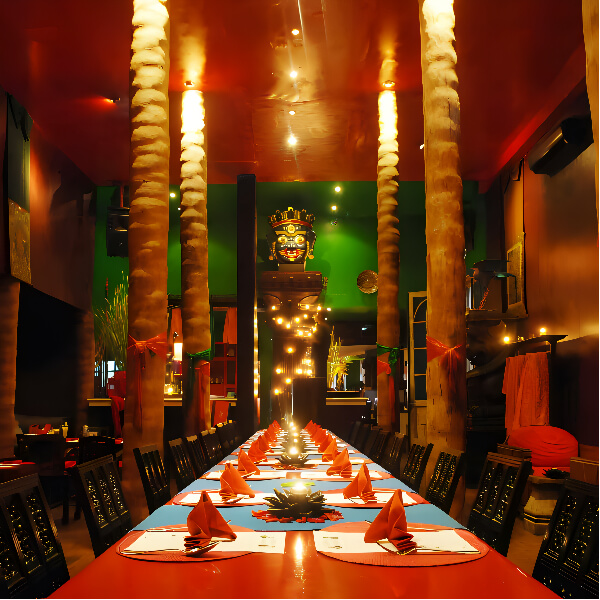
Tugu Hotels are privately owned and designed collection of luxury art hotels born out of one man’s love and passion for Indonesia’s romantic history. Tugu Hotels’ founder, arguably Indonesia’s biggest collector of fine Indonesian art and cultural antiquities, designed these beautiful museum hotels to house his antiques and to tell the world the romantic stories and legends of ancient kingdoms of Indonesia.
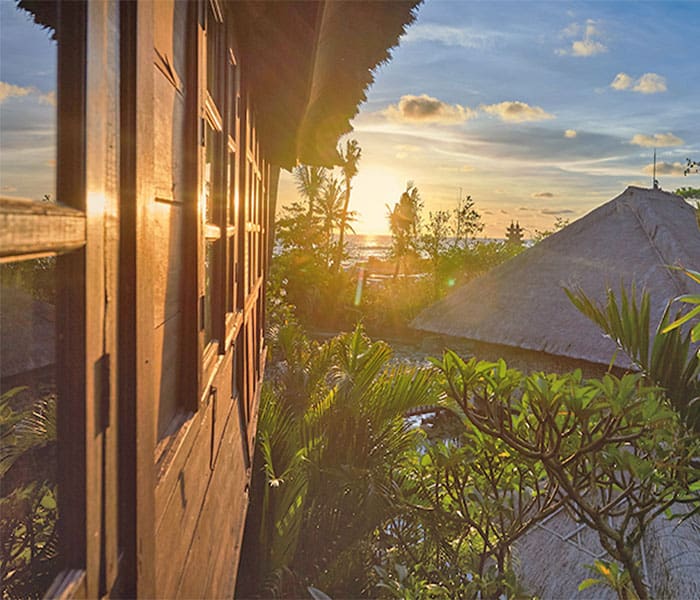
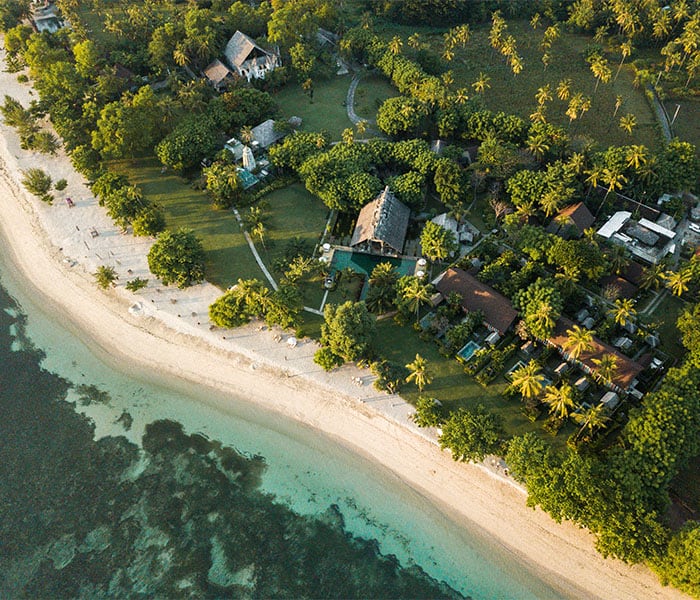
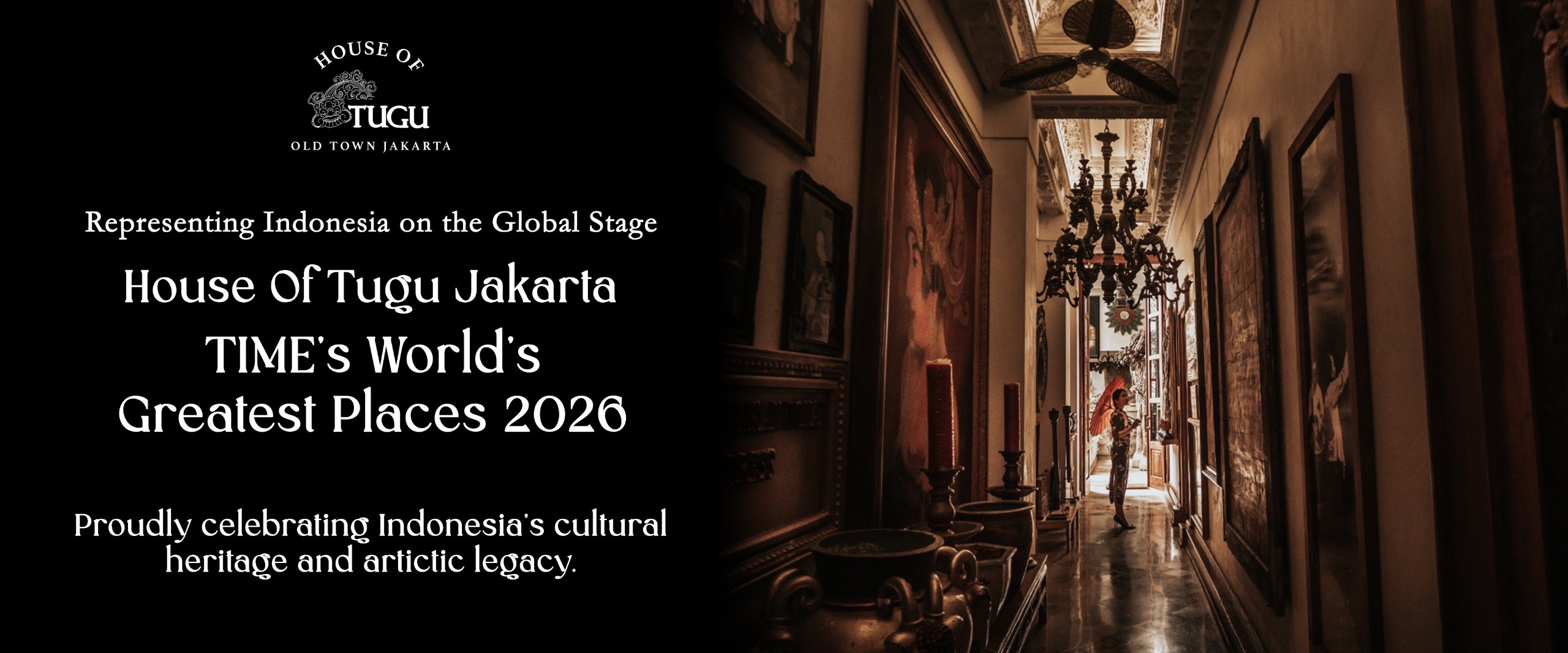
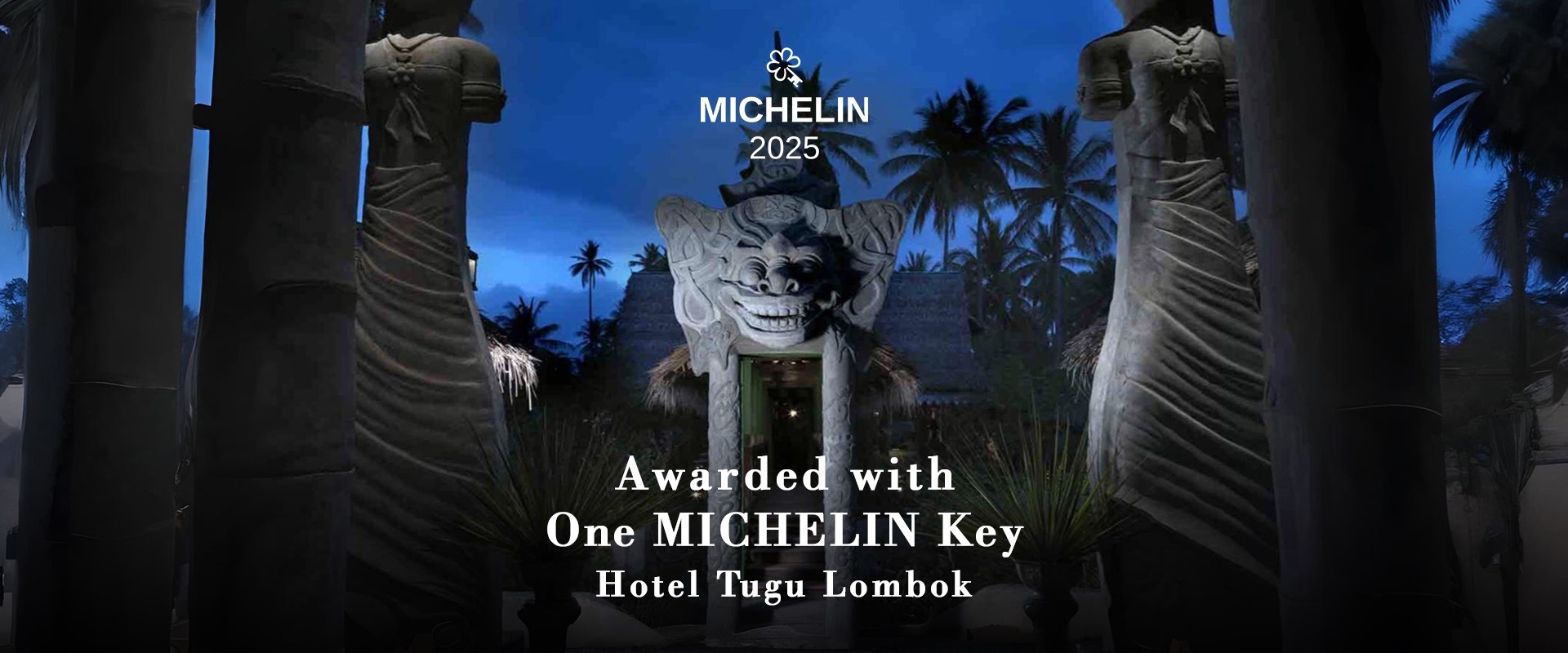
Tugu Hotels & Restaurants in Bali, Lombok, Jakarta and East Java, all stand as ethereal monuments of forgotten art, culture and romance of the thousand-years-old Indonesian archipelago. This fully Indonesian experience is achieved not only through a most unique design amidst majestic landscapes, historic towns and refurbished historic buildings, but also from various cultural experiences that guests can only have in the hotels and restaurants.
Inspired by the Kawisari Coffee Plantation on the slopes of Mount Kawi, Kawisari Menteng offering coffee from one of East Java’s oldest plantations and authentic village-style dishes.